Achromatopsia
Achromatopsia (rod monochromacy) means none of the three cone types work: sight comes from the rods alone, in shades of grey, with low sharpness and strong light sensitivity.
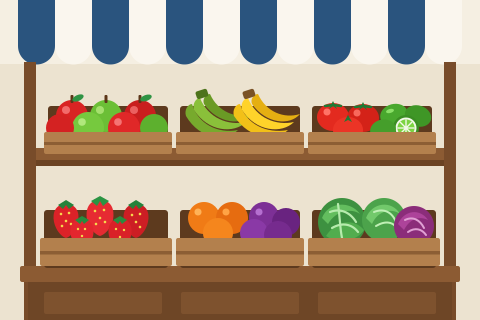
Which cones achromatopsia affects
The all three cones do not work, leaving no colour difference to compare.
Colours that run together: every colour of the same lightness.
Family: no colour colour vision deficiency.
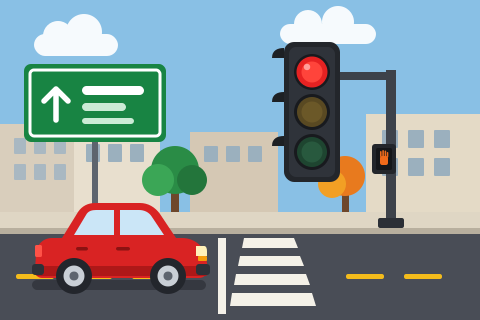
Everyday scenes with achromatopsia
How common it is and how it is inherited
men
women
people on Pingelap atoll
Inheritance: Autosomal recessive: both parents carry it. Much more common on the island of Pingelap (about 1 in 12).
Six genes are known; CNGA3 and CNGB3 cause most cases. Both parents carry one faulty copy, and each child has a 1 in 4 chance.
On Pingelap in Micronesia about 1 in 12 people have it, traced to one carrier who survived a typhoon around 1775.
An incomplete form keeps some cone function, with slightly better sharpness and a little colour.
How the test finds it
Cannot read any plate except the demonstration plate; acuity usually 20/200, with nystagmus (shaking eyes) from birth.
- Daylight is dazzling: dark tinted glasses are worn outdoors.
- Reading needs magnification.
- Gene therapy trials are under way.
Questions
Is achromatopsia a disability?
Often, yes. Best-corrected sharpness is usually around 20/200 with glare and nystagmus, which meets the low vision or legal blindness line in many countries and qualifies for vision support at school and work.
Can achromatopsia be corrected?
Not cured. Dark red or deep-tinted lenses and contacts cut the glare, and magnifiers help reading. Gene therapy trials for CNGA3 and CNGB3 have been safe but have shown only small gains so far.