Tritanopia
Tritanopia is blue-yellow colour blindness with no working blue (S) cones. Blues look green, yellows look pink or light grey, and the world turns into reds and teals.
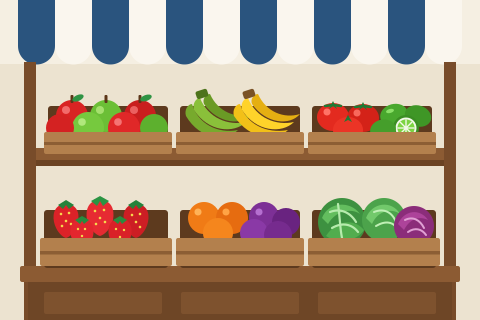
Which cones tritanopia affects
The blue (S) cones are missing, so colours that differ only for them look the same.
Colours that run together: blue and green, yellow and pink, purple and red, dark blue and black.
Family: blue-yellow colour vision deficiency.
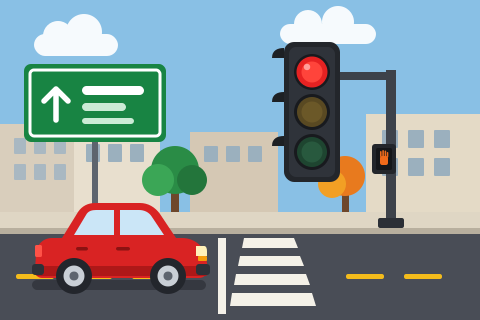
Everyday scenes with tritanopia
How common it is and how it is inherited
men
women
the range of published estimates
Inheritance: Autosomal dominant (chromosome 7): equally common in men and women; one affected parent passes it to half the children.
The blue cone pigment gene (OPN1SW) is on chromosome 7, not the X chromosome, so men and women are equally affected.
It is dominant: one affected parent passes it to about half the children, though some carriers show only a mild form (incomplete penetrance).
Acquired blue-yellow loss is far more common than the inherited kind: cataract, glaucoma, diabetic eye disease and some medicines affect the blue cones first.
How the test finds it
Reads the red-green plates normally and misses the blue-yellow plates; D-15 crossings run near −80°.
- Blue sky and green leaves look alike.
- Yellow highlighter on white disappears.
- Can also be acquired: cataract, glaucoma and diabetic eye disease affect the blue cones first.
Questions
Is tritanopia a disability?
Rarely for work: most colour standards test red-green only, though some aviation and electrical tests include blue-yellow plates. A tritan defect that appears in adult life is a reason for an eye exam.
Can tritanopia be corrected?
No lens restores a missing blue cone. Because new blue-yellow loss often comes from an eye condition, that cause is treated first; for inherited tritanopia, labels and app filters help with blue and green.