Tritanomaly
Tritanomaly means the blue (S) cones work poorly: blues look greener and yellows paler. Inherited it is rare; acquired it is common with age.
Which cones tritanomaly affects
The blue (S) cones are present but shifted, so they overlap more with their neighbour.
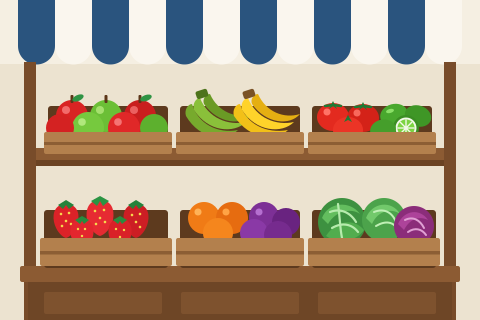
Colours that run together: blue and green, yellow and white, purple and red.
Family: blue-yellow colour vision deficiency.
Everyday scenes with tritanomaly
How common it is and how it is inherited
men
women
see some blue-yellow loss
Inheritance: Inherited forms are autosomal; most cases are acquired (lens yellowing, cataract, glaucoma, diabetes).
Inherited tritanomaly comes from the chromosome 7 gene and affects men and women equally, but it is very rare.
Most blue-weak colour vision is acquired: the lens yellows with age and absorbs blue light, and cataract, glaucoma and diabetic eye disease weaken the blue cones.
An acquired change can differ between the two eyes, which an inherited type never does.
How the test finds it
Misses the fainter blue-yellow plates; the hue test shows crossings near the tritan axis.
- Navy and black look alike.
- A change in one eye only, or a new change, points to an eye condition rather than an inherited type.
Questions
Is tritanomaly a disability?
Not as such. Acquired tritanomaly is better read as a sign: a new blue-yellow change, especially in one eye, is worth an eye exam.
Can tritanomaly be corrected?
When it comes from cataract, surgery usually restores blue-yellow vision, often with a striking jump in how blue the world looks. The inherited form cannot be corrected.